Shop By Make
ESTABLISHED 1999
Steaming for 25 years !
Worldwide Shipping .
WILESCO LIVE STEAM SPECIALISTS FOR ALL MODELS,SPARES & FULL FACTORY BACK UP .
https://www.forest-classics.co.uk/wilesco 01594 368318
FREE DELIVERY ON ALL WILESCO ENGINES & all accesories /parts ordered with engine.
.
Steaming for 25 years !
Worldwide Shipping .
WILESCO LIVE STEAM SPECIALISTS FOR ALL MODELS,SPARES & FULL FACTORY BACK UP .
https://www.forest-classics.co.uk/wilesco 01594 368318
FREE DELIVERY ON ALL WILESCO ENGINES & all accesories /parts ordered with engine.
.
As the Uks leading toy steam dealer we ship worldwide and have the most comprehensive range of both Wilesco and Mamod engines and spares in the UK. Plus much more! Have a look round our site and feel free to ask any questions you may have.
.**No visitors except by prior arrangement. **
As it is now illegal to sell solid fuel tablets to you unless you have a home office licence we offer the Bix range of gas conversion kits to suit every engine .At Bix we have been manufacturing and distributing gas burners and fittings for model engines for 20 years . You can buy direct seperately or purchase with engine at a good saving.If you cannot see what you are looking or need any further help or information please ask!When purchasing, setting up, or useing Bix gas equipment we offer ongoing free technical advice .There is no time limit on this service. Contact us at [email protected] or ring us on 01594368318.
Coming very soon new edition of Bix 029 gas attenuator full details and pictures to follow !
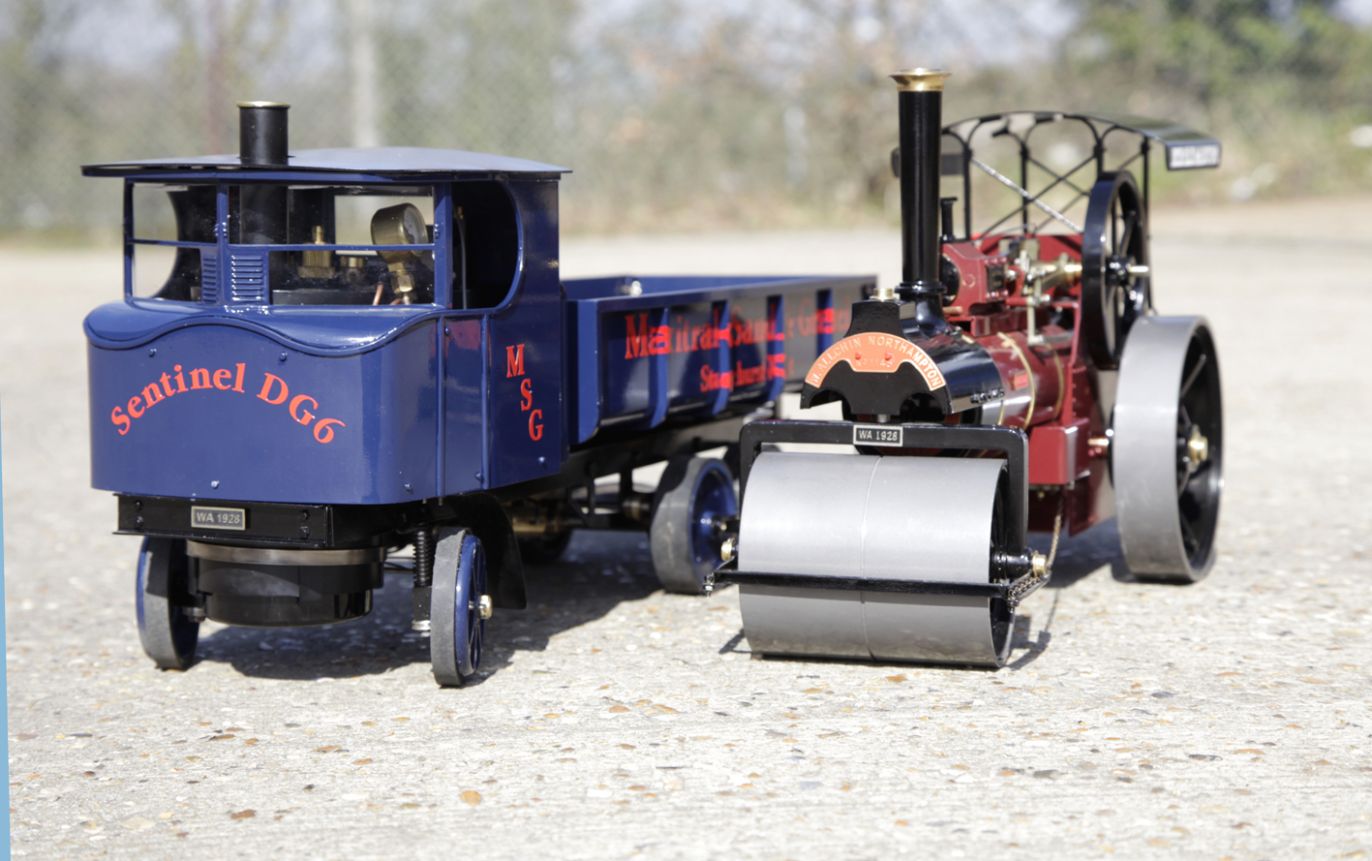
Now available MAXITRAK SENTINAL DG6. ALLCHIN TRACTION ENGINES AND ROLLERS!
https://www.forest-classics.co.uk/all/maxitrak/
This website will is constantly evolving and changing and we will be adding some exiting new products,and expanding our used model section.
Please bookmark our website & return often to see our latest updates
Any questions?
Our telephone lines are open
from 9-00am until 4.30pm. Mon to Thurs
Fri. 9.00AM- 12.30PM.
Tel: 01594 368318
Outside these hours, please leave a message on our answering machine, or email us for a prompt reply.
***We send our models by DHL on a 24 hour service from day of despatch.(except weekends).This applies to UK ONLY.(exept certain postcodes).Worldwide takes a little longer !If nobody is going to be in to recieve the parcel can it be left with a neighbour or in a safe place such as a shed or porch? Please indicate your delivery requirments by letting us know via the email link below .Spares and smaller items are sent by Royal Mail. ***
Email: [email protected] (See also "Contact Us" link)
.
WEBSITE UPDATED 06/02/2024 PM RESEARCH
.**No visitors except by prior arrangement. **
As it is now illegal to sell solid fuel tablets to you unless you have a home office licence we offer the Bix range of gas conversion kits to suit every engine .At Bix we have been manufacturing and distributing gas burners and fittings for model engines for 20 years . You can buy direct seperately or purchase with engine at a good saving.If you cannot see what you are looking or need any further help or information please ask!When purchasing, setting up, or useing Bix gas equipment we offer ongoing free technical advice .There is no time limit on this service. Contact us at [email protected] or ring us on 01594368318.
Coming very soon new edition of Bix 029 gas attenuator full details and pictures to follow !
Now available MAXITRAK SENTINAL DG6. ALLCHIN TRACTION ENGINES AND ROLLERS!
https://www.forest-classics.co.uk/all/maxitrak/
This website will is constantly evolving and changing and we will be adding some exiting new products,and expanding our used model section.
Please bookmark our website & return often to see our latest updates
Any questions?
Our telephone lines are open
from 9-00am until 4.30pm. Mon to Thurs
Fri. 9.00AM- 12.30PM.
Tel: 01594 368318
Outside these hours, please leave a message on our answering machine, or email us for a prompt reply.
***We send our models by DHL on a 24 hour service from day of despatch.(except weekends).This applies to UK ONLY.(exept certain postcodes).Worldwide takes a little longer !If nobody is going to be in to recieve the parcel can it be left with a neighbour or in a safe place such as a shed or porch? Please indicate your delivery requirments by letting us know via the email link below .Spares and smaller items are sent by Royal Mail. ***
Email: [email protected] (See also "Contact Us" link)
.
WEBSITE UPDATED 06/02/2024 PM RESEARCH
Where We Are
Forest Classics,
Woodedge Road
Off Ellwood Road
Milkwall,
Coleford,
Gloucestershire
GL16 7LF United Kingdom
Woodedge Road
Off Ellwood Road
Milkwall,
Coleford,
Gloucestershire
GL16 7LF United Kingdom
We Stock